
Periodontics Markham
Searching for a skilled periodontist in Markham? Smile Studio Dental focuses on gum health, periodontal disease treatment, and advanced dental care. Call 905-771-1611 to protect your smile!
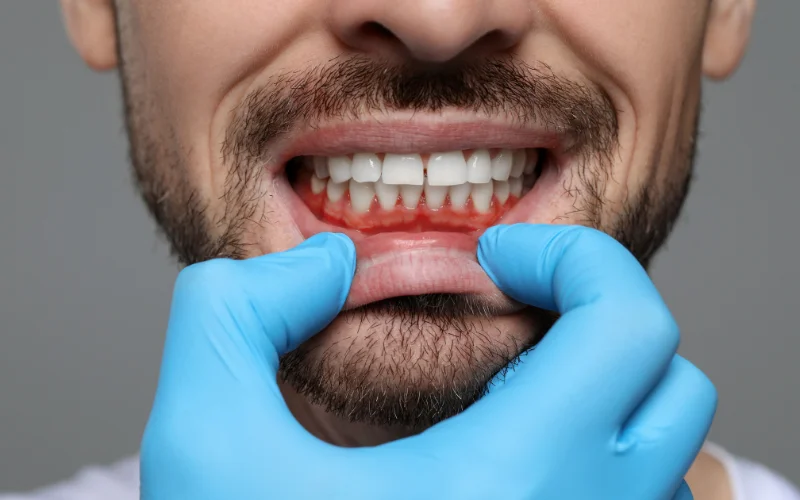
Discover exceptional periodontal care in Markham, ON, tailored to safeguard your oral health and enhance your smile. Our team focuses on advanced periodontics, offering treatments that cater to your specific needs. Book your appointment today and take the first step towards optimal oral health and confidence in your smile.

Understanding Periodontics
Periodontics is the branch of dentistry that focuses on the prevention, diagnosis, and treatment of periodontal disease, also known as gum disease. The practice is rooted in maintaining the health of the structures that support your teeth, including the gums, alveolar bone, and periodontal ligament.
What Periodontal Issues Are Common?
Periodontal issues are all too common, affecting many adults. These problems can range from mild to severe, with symptoms such as chronic bad breath, red, swollen gums, receding gums, and even loose teeth. The most prevalent issues include:
- Gingivitis: The earliest stage of gum disease, characterized by inflamed gums that may bleed during brushing or flossing.
- Periodontitis: An advanced form of gum disease where the inflammation affects both the gums and the bone that supports the teeth, leading to tooth loss.
- Gum Recession: The exposure of the roots of your teeth is caused by a loss of gum tissue, which can lead to sensitivity, decay, and an elongated appearance of the teeth.
The Impact of Untreated Periodontitis
Leaving periodontal issues unaddressed can have profound consequences, including:
- Increased risks of cardiovascular diseases: Severe periodontal disease has been linked to heart disease, emphasizing the connection between oral health and cardiovascular health.
- Diabetes complications: Individuals with periodontal disease may experience worsened diabetes symptoms, highlighting the bidirectional relationship between these two conditions.
- Respiratory infections: The bacteria from periodontal infections can travel to the lungs, potentially causing pneumonia and other respiratory issues.
- Adverse pregnancy outcomes: Pregnant women with periodontal disease may face a higher risk of preterm birth and low birth weight, underscoring the importance of oral health during pregnancy.
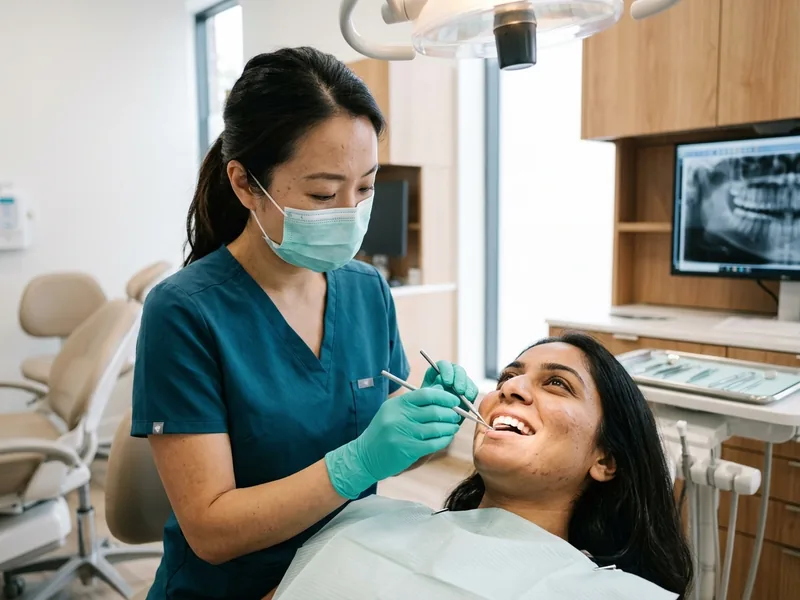
Periodontal Services in Markham
Understanding the gravity of periodontal issues, the dental community in Markham is well-equipped to combat them. With a variety of services, periodontists aim not only to treat existing conditions but also to improve and maintain the long-term health of your gums.
Comprehensive Services Offered
With a holistic approach to periodontal care, dental clinics in Markham offer a comprehensive range of services designed to address various gum-related concerns. These services include:
- Non-surgical Treatments: Such as professional cleaning , root planing, and antibiotic therapy to fight periodontitis in its early stages.
- Surgical Solutions: Including gum grafting, pocket reduction procedures, and regenerative procedures to restore and enhance gum tissue.
- Dental Implants : When tooth loss occurs due to advanced gum disease, dental implants offer a stable and durable replacement.
The Benefits of Periodontal Treatment
Enhanced Gum Health
Efficient periodontal treatments address the root cause of gum diseases, bringing your oral health back on track. Healthy gums contribute to a stronger foundation for your teeth, ensuring they are less likely to loosen or fall out.
Reduction in Bad Breath
Persistent bad breath can often be a result of untreated gum diseases. By resolving periodontal issues, patients often experience a reduction in bad breath, enhancing their social confidence.
Prevention of Tooth Loss
Perhaps the most compelling benefit is the preservation of your natural teeth. Serious gum diseases can lead to tooth loss, but timely periodontal treatments can prevent this from happening.
Improved Systemic Health
Maintaining good gum health is not just about the teeth. Research suggests that treating periodontal diseases can also have a positive effect on managing systemic health conditions such as diabetes and cardiovascular diseases.
Why Choose Our Clinic for Periodontal Care?
Expertise and Experience
A clinic’s reputation often hinges on its practitioners. A team of experienced periodontists with a proven track record in treating complex cases instills confidence in patients.
Modern Equipment
Modern technology can vastly improve the precision and effectiveness of periodontal treatments, minimizing discomfort and recovery times.
Patient-Centric Approach
Good periodontal care prioritizes patient education and involvement in the treatment plan. Empowered patients are more likely to maintain good oral hygiene practices post-treatment.
Success Stories and Testimonials
Nothing speaks louder than the experiences of previous patients. Success stories and testimonials offer a glimpse into the level of care and outcomes one can expect at a clinic.
Ready to Take the First Step to a Healthier Smile?
If you’re experiencing symptoms of gum disease, it’s time to take action. A consultation with a periodontist in Markham is the first step towards understanding your condition and exploring treatment options. Don’t delay a matter as serious as your oral health.
To schedule your consultation, call us at 905-771-1611 and one of our friendly staff members will be more than happy to assist you.
You can also contact our Markham dentist for advanced dental procedures like Endodontics in Markham , trust our experienced team.
Signs you may want to see a periodontist
Gum problems tend to creep up slowly, and many people do not notice the early changes until they are further along. Paying attention to how your gums look and feel between dental visits can help you decide when to book an assessment. At our Markham clinic, our periodontist, Dr. Leonard Schwartz, an RCDSO-registered specialist certified by the Royal College, checks the health of the gums and the bone that holds your teeth in place. Catching these signs early gives you more options for care.
Think about arranging a periodontal evaluation if you notice any of the following:
- Gums that bleed when you brush or floss, or that look red, swollen, or tender
- Gum tissue that has pulled back or receded, making teeth look longer than they used to
- Teeth that feel loose, have shifted, or fit together differently when you bite
- Bad breath that sticks around, or an ongoing off taste that brushing does not clear
- New spaces opening up between teeth, or gums that feel like they are pulling away from the teeth
- Sensitivity along the gumline or discomfort when chewing
Having one of these signs does not confirm gum disease on its own, but it is a reason to have your gums looked at. During an assessment we measure the depth of the spaces around each tooth and go over your dental and medical history so that any care we suggest fits your situation.
The connection between gum health and overall health
Research has documented links between periodontal disease and several general health conditions. Gum disease starts in the mouth, but the inflammation that comes with it is part of a wider health picture. Seeing these connections can help you treat gum care as one part of looking after your body, not a separate concern.
Two areas that have drawn particular attention are diabetes and cardiovascular health:
- Diabetes: People living with diabetes may be more prone to gum infections, and studies describe a two-way relationship in which gum inflammation and blood sugar control each affect the other.
- Heart health: Researchers have seen associations between periodontal disease and cardiovascular conditions, and inflammation is thought to be one shared factor under study.
- Pregnancy: Hormonal changes during pregnancy can change how the gums respond, so gum care is often part of routine health at this time.
- Respiratory health: Bacteria in the mouth have been studied alongside certain respiratory conditions, which is one more reason to keep the mouth clean.
These are associations described in the dental and medical literature, not promises about any one person's outcome. Managing gum health through regular care and good daily habits is a sensible, evidence-informed step. If you have a medical condition, we are happy to talk about how it may relate to your gum care, and we coordinate with your physician when that helps.
Non-surgical and surgical periodontal treatment options
Periodontal care covers a range of approaches, and the right one depends on how far gum disease has progressed. In many cases, non-surgical treatment is the starting point. When gum disease is further along, surgical procedures may be suggested to rebuild a healthier foundation. We explain what each option is for so you can make an informed decision about your care.
Non-surgical treatment often includes:
- Scaling and root planing, a deep cleaning below the gumline that clears plaque and tartar from the tooth roots and smooths the root surfaces so the gums can heal
- Guidance on daily home care techniques aimed at the areas that need extra attention
- In some cases, locally applied measures alongside cleaning, as directed by your periodontist
When deeper pockets or bone loss are present, surgical options may be considered:
- Pocket reduction procedures, which give access to clean deeper areas and help shrink the space where bacteria collect
- Gum grafting, which adds tissue to areas hit by recession to cover exposed roots and support the gumline
- Regenerative procedures that aim to help rebuild the bone and tissue that support the teeth
Every treatment has its own considerations, and outcomes vary from person to person. Dr. Schwartz goes over the findings from your examination, talks through what each option involves, and answers your questions before any care begins.
More Questions Patients Ask
How often should I schedule periodontal maintenance visits?
After active gum treatment, many people do better with more frequent cleanings than the standard schedule, often every three to four months. The right interval depends on your gum condition and how it responds over time. Your periodontist will suggest a schedule based on your assessment and adjust it as your gum health changes.
What can I do at home to maintain gum health?
Daily habits make a real difference. Brushing twice a day along the gumline, cleaning between your teeth with floss or interdental brushes, and keeping up with regular dental visits all help control the plaque behind gum disease. If you use tobacco, cutting back or quitting is one of the most helpful things you can do for your gums. We can show you techniques suited to your needs.
Is scaling and root planing uncomfortable?
Scaling and root planing is usually done with a local anaesthetic to keep the treated area numb, so most people are comfortable during the procedure. Some tenderness or sensitivity afterward is common and usually settles within a few days. We will explain what to expect and how to care for the area while it heals.
Can gum disease come back after treatment?
Gum disease can come back if the conditions that caused it are not kept in check, which is why ongoing maintenance and good home care matter so much. Keeping up with periodontal maintenance visits and daily cleaning helps hold the condition steady. Regular monitoring lets us catch any changes early and respond quickly.
Do I need a referral to see the periodontist in Markham?
You are welcome to book an assessment with our periodontist directly, and we also accept referrals from other dental offices. New patients are welcome at our Markham clinic. Call us at 905-771-1611 to set up an appointment or ask any questions about periodontal care.
Specialist periodontal care for York Region
Access to a registered periodontist should not depend on your postal code. Patients from Thornhill, Richmond Hill, North York, Unionville, and Vaughan see Dr. Leonard Schwartz at our Markham clinic for gum disease treatment, grafting, and implant-site care — you can book an assessment directly or be referred by your dentist through our referral form.
We are minutes from Highways 404 and 407 at Leslie Street and Highway 7, with free on-site parking, and periodontal maintenance visits can be scheduled on evenings when that suits your commute.
Our professional associations
Smile Studio Dental is a member in good standing with the dental community's leading regulatory and education bodies.


Have questions about your treatment?
Call us at 905-771-1611 or request an appointment online — we're happy to help.
Request an Appointment